More information to fill in the gaps

Below you will find some of the most commonly answered questions regarding our technology. To the right, navigate to other categories of commonly answered questions regarding Organica Technologies.
Still have questions? Please contact us at info@organicawater.com
How does this technology help the environment and solve water scarcity?
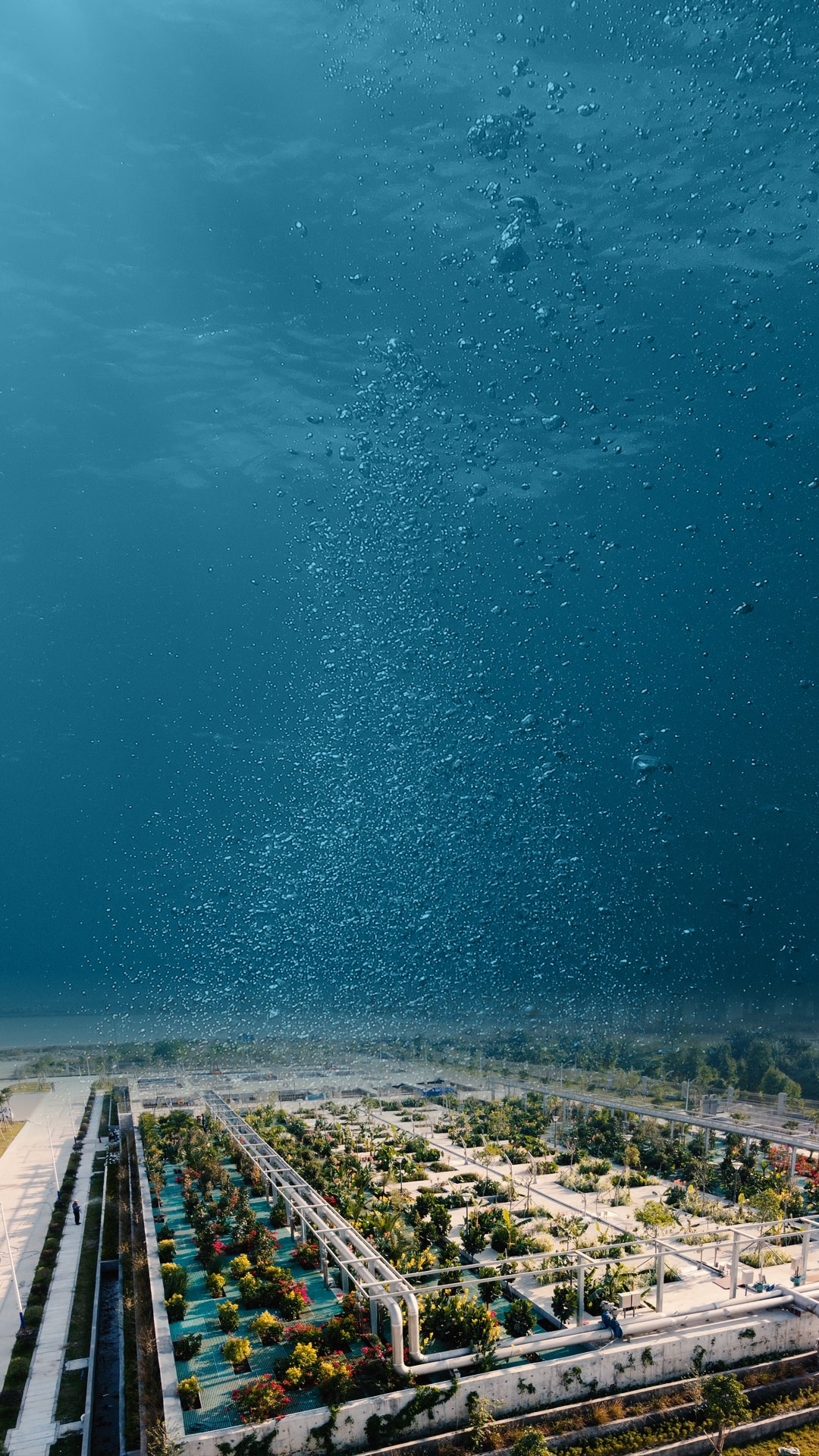
Organica treatment plants are much smaller than traditional wastewater treatment plants, so they can be placed in tight, urban areas. Located near the source virtually eliminates the need for large pipes to bring wastewater to the facility and clean water back to be reused. Organica’s technology also reduces the amount of sludge, or waste, created during the water treatment process. Organica’s solution creates clean water in less space, for less money and energy, in a greenhouse that produces no odors.
Do the plants treat the water?
The plants do not treat the water. Their primary function is to provide the habitat in their root zone for the myriads of organisms which thrive there. The microorganisms living in the root zone drive the reactions that help treat the water.
Is odor control incorporated into the design of the treatment plants?
The odorous processes are entirely enclosed in our designs and can be treated with biofilters. Even the process areas within the treatment plants are entirely odor free.
Is the technology patented?
The Organica technology is currently patented in Hungary, the USA, China, Ukraine, Russia, the entire European Union, and Australia. Other patents are pending.
Are the organisms within the treatment plants imported?
Organica does not import species to inoculate its treatment plants. Every region of the world has local species that can serve the necessary functions for the technology.
What is the benefit of having snails, worms and other higher animals in the treatment plant?
The formation of a complex ecosystem with higher life forms enables a broader spectrum of nutrients to be broken down. This effect leads to lower organic matter content in the effluent and to a higher efficiency of ammonia removal. The predatory nature of complex food chains consumes more excess sludge than conventional biological treatment processes, resulting in less waste at the end of the process.
What are the size limitations?
There are no size limitations to the technology. Larger plants typically use a larger number of treatment trains.
How sensitive is the system to chemicals and heavy metals?
All biological systems, including the ecologies developing within the Organica plants, can be damaged with enough resolve. But the higher biological diversity of the Organica system displays higher resilience against unexpected loading. Research and experience have shown that Organica treatment plants have a higher resistance to sudden changes in the influent quality and quantity, thus respond better to shock loading.
What if the plants die?
With correct installation and operation, the plants will thrive in the environment. As in nature, some plants die and new shoots or saplings appear, so removal of dead plant material is part of the operational routine and does not require significant maintenance.
How clean does the water get?
Water is always treated to the required standards set by authorities.